Dashboards should tell decisions
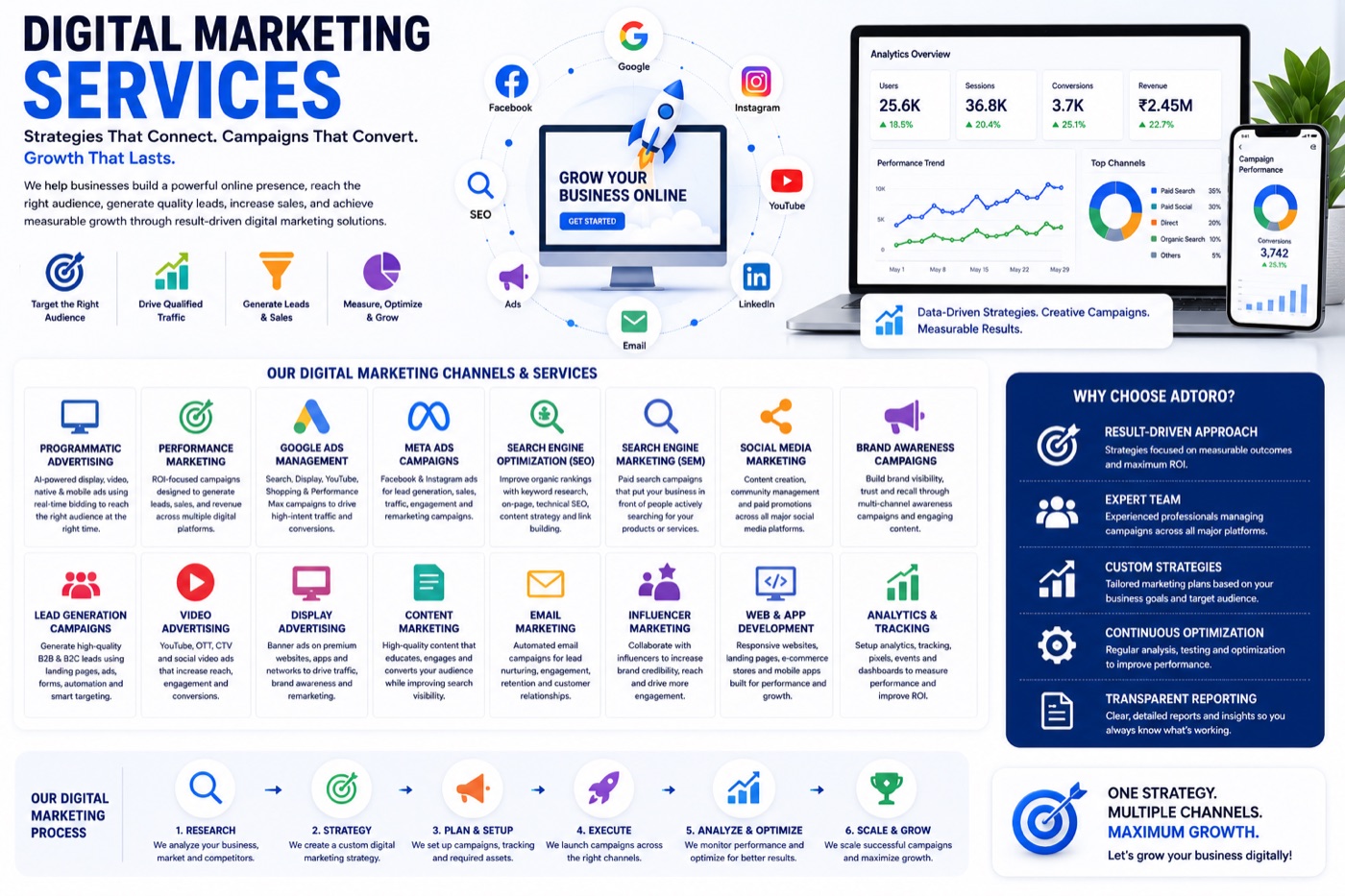
A dashboard is useful when it helps the team decide what to continue, fix, scale, or pause. Too many metrics create noise. Focus on the measures that explain business movement.
Separate channel metrics and business metrics
Clicks, impressions, CTR, and CPC explain media behavior. Leads, opportunities, sales status, and revenue explain business usefulness. Both matter, but they should not be mixed without context.
Show trend and quality
A good dashboard shows month-over-month movement, channel contribution, lead quality, campaign spend, cost per lead, cost per opportunity, and notes from sales teams.
Keep it readable
Executives should understand the dashboard in minutes. Use clean labels, consistent date ranges, and simple charts. The best dashboard feels like a control room, not a spreadsheet dump.
How to apply this inside your next campaign
Start by turning the idea into a simple checklist: audience, offer, message, channel, landing page, tracking, lead routing, and follow-up. If any one of these pieces is unclear, the campaign may still generate activity, but the business outcome will be harder to understand.
The strongest teams review performance with both marketing and sales context. That means looking at campaign numbers, website behavior, form quality, CRM notes, and opportunity movement before deciding whether to scale, pause, or rebuild a campaign.
Want this applied to your campaigns?
Book a growth audit and AdToro will translate the idea into a practical action plan for your audience, media budget, and conversion funnel.
Schedule Growth Audit